Operation Bharosa - Navigating CKYC 2.0 from Regulation to Reality
On 13th January 2026, compliance and onboarding leaders from banks, NBFCs, fintechs, and
other regulated entities gathered at the National Stock Exchange auditorium in BKC, Mumbai, for
Operation Bharosa, a closed door, practitioner focused seminar dedicated to the evolving Central
KYC framework and the operational realities of CKYC 2.0.
With more than 130 industry participants in attendance, the session was intentionally designed
as a working conversation rather than a traditional presentation. The objective was clear from
the outset. Move beyond regulatory interpretation and address what CKYC 2.0 truly means for
institutions responsible for onboarding, KYC maintenance, and ongoing compliance in live
operating environments.
From Regulatory Text to Operational Accountability
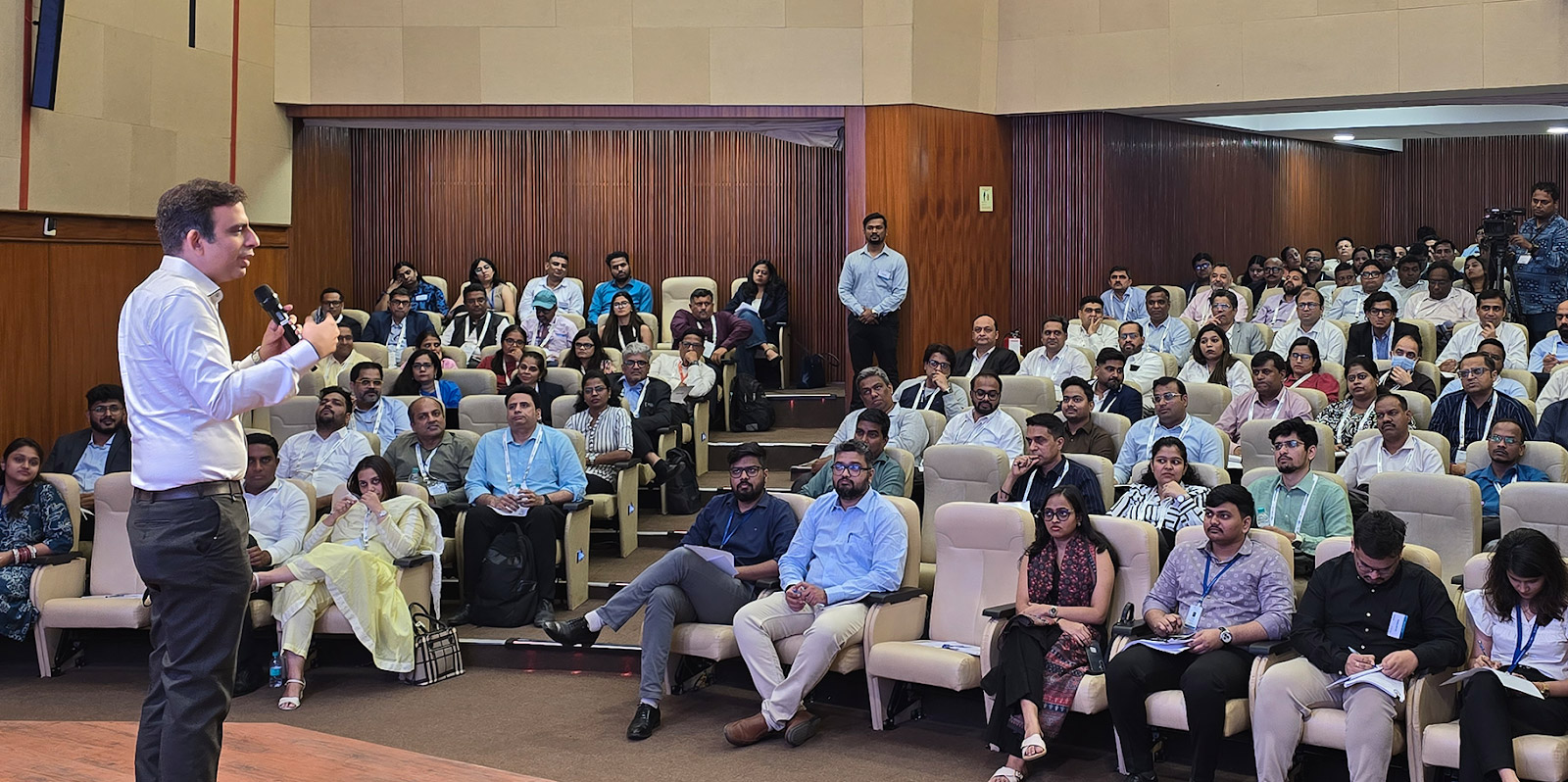
The session opened with an address by Sagar Tanna, CEO of TSS Consultancy Pvt.
Ltd., who framed CKYC 2.0 not as a list of incremental requirements but as a shift in
accountability across India’s KYC ecosystem.
Historically, many institutions approached CKYC as an additional reporting obligation layered
over existing onboarding processes. CKYC 2.0 challenges that approach. As discussed during the
session, the framework signals a move toward structured responsibility where data accuracy,
update discipline, and traceability are integral to compliance rather than secondary
considerations.
The conversation emphasised that CKYC 2.0 changes not just what data is submitted, but how
responsibility is assigned across the KYC lifecycle. Who last updated a record, whether
verification was performed correctly, and whether downstream institutions can safely rely on
that data are now operational questions with regulatory consequences.
The interactive nature of the session reflected this reality. Audience questions were encouraged
throughout, highlighting a common industry experience. Regulatory intent may be clearer than
before, but translating that intent into consistent, scalable operations remains a complex
challenge for many organisations.
Redefining KYC Accountability Under RBI Guidance
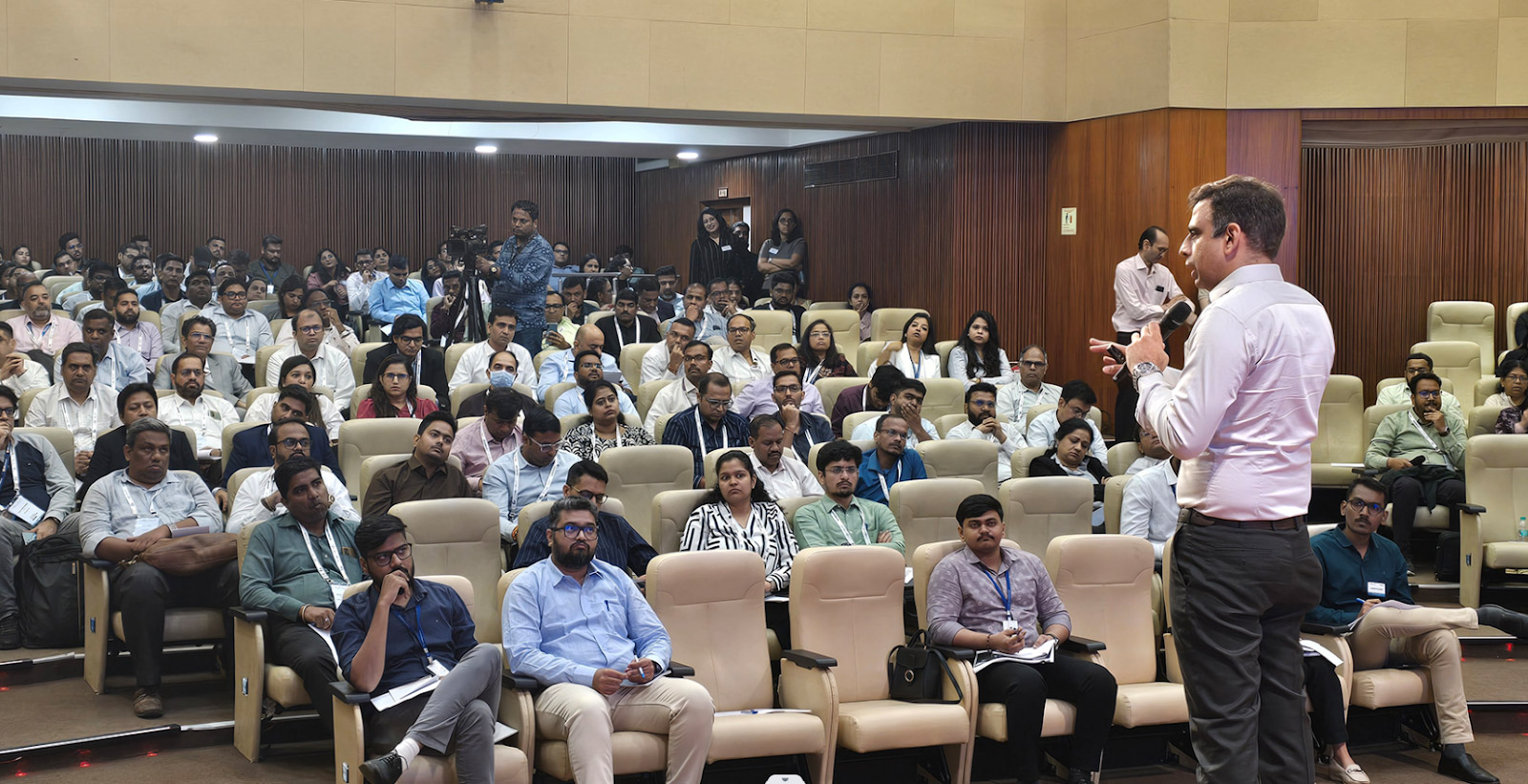
One of the most substantive discussions of the day centred on recent RBI guidance
clarifying reliance on CKYC records across regulated entities. The guidance places
responsibility for identity and address verification on the institution that most recently
uploads or updates a customer’s CKYC record. Other institutions may rely on that record without
re verification, provided it is current and compliant with PMLA requirements.
For participants, this clarification prompted a reassessment of long standing practices built
around repeated verification and duplicated effort. The discussion underscored that reliance
does not mean abdication of responsibility. Instead, it shifts responsibility upstream toward
data quality, disciplined updates, and robust internal controls.
The session reinforced that CKYC 2.0 raises expectations around how institutions manage KYC data
over time. Due diligence is no longer confined to onboarding. It extends into continuous
maintenance, controlled modification, and responsible stewardship of shared records.
CKYC 2.0 as a Structural Upgrade
As discussions progressed, CKYC 2.0 was consistently positioned as a structural
enhancement rather than a version change. Participants explored how deeper validation checks,
enhanced verification indicators, and improved traceability alter the design of onboarding and
remediation workflows.
Rather than delving into technical specifications, the conversation focused on operational
outcomes. First time right submissions, reduced remediation cycles, and clearer audit trails
emerged as priorities across institutions of varying scale and complexity.
A recurring insight from the session was the importance of preparation. Institutions operating
with fragmented processes, manual interventions, or siloed teams may find CKYC 2.0 increasingly
resource intensive. In contrast, organisations investing in structured workflows and cross
functional coordination are better positioned to meet regulatory expectations without
compromising efficiency.
Translating Complexity into Execution with Trackwizz
Demonstrations using Trackwizz provided a practical lens through which CKYC 2.0
readiness could be examined. The focus was not on system architecture but on how intelligent
platforms can absorb regulatory complexity without transferring operational burden to frontline
teams.
Participants explored how automation, quality assessment, controlled modifications, and
proactive notifications can support sustainable compliance. Particular attention was given to
preventing redundant downloads, managing updates responsibly, and maintaining submission quality
at scale.
For many attendees, this helped bridge the gap between regulatory guidance and real world
execution. The discussion reinforced a broader message. CKYC 2.0 is less forgiving of reactive
or ad hoc approaches. Institutions will increasingly need platforms that embed compliance into
everyday operations rather than treating it as a post process correction.
What Institutions Took Back from Operation Bharosa
As Operation Bharosa concluded, one theme stood out clearly. CKYC 2.0 is no
longer a future consideration. It is an operational reality requiring readiness across people,
processes, and platforms.
Institutions that treat CKYC 2.0 as a minimal compliance obligation may encounter increasing
inefficiencies, remediation pressures, and operational risk. Those that view it as an
opportunity to improve data quality, streamline workflows, and strengthen accountability are
better equipped to navigate the next phase of regulatory evolution.
More than anything, the session underscored a simple truth. In a shared KYC ecosystem, trust is
built not by doing more, but by doing it right.
Operation Bharosa was not about delivering definitive answers. It was about asking better
questions and preparing institutions to respond with clarity, discipline, and confidence.
Recent Posts
- TrackWizz at GFF 2025: Engaging with CERSAI Leadership
- TrackWizz at Global Fintech Fest 2025: Engaging with IFSCA Leadership
- TrackWizz Among the First RegTechs to Receive OVSE Registration
- Operation Bharosa - Navigating CKYC 2.0 from Regulation to Reality
- Our Conversation with the Hon’ble RBI Governor
- An overview of CKYC OTP and MNRL Compliance for Reporting Entities